/LinkedIn Strategy
My personal brand & content strategy
2025 – Present

/LinkedIn Strategy
2025 – Present
In March 2025, I started showing up on LinkedIn. No content calendar, no strategy deck, no scheduling tool. Just a decision to say things I actually meant and see what happened. Twelve months later the numbers surprised me — but not as much as which posts drove them.
March through June looked exactly like you'd expect from someone starting from zero. A few hundred impressions a month. Slow follower growth. Posts that went mostly nowhere. I kept going anyway — not because I had a plan, but because I think more clearly when I write and I needed somewhere to put it.
Then in July, two posts hit differently than anything I'd published before. The first was a reflection on two weeks into a new role at OpenGov — specifically what their onboarding process revealed about company culture. The second was a one-month update from the same role, with a photo and a list of what I'd actually learned. Together those two posts drove nearly 21,000 impressions. More than my entire first four months combined.
I hadn't done anything technically different. I'd just written about something real that was happening, in the moment it was happening, without cleaning it up.
The posts that hit were never the ones I'd thought hardest about. They were the ones where I was honest about something uncomfortable.
They were specific about a frustration, a tension, or a problem I was actually experiencing — not a lesson I'd packaged after the fact.
That post was about the exhaustion of scrolling LinkedIn when every other post is an AI take. I shared the resources I actually use when I'd rather close the app entirely. It got more engagement than anything else I published because people didn't just see it — they responded to it. That's a different thing.
That one was a direct call-out of the "optimizes workflows, streamlines efficiencies" language that every SaaS homepage defaults to. Eight comments from people who felt the same frustration. That one mattered to me specifically because it was connected to the work I do — product marketing — and the problem I think about constantly: why most messaging misses.
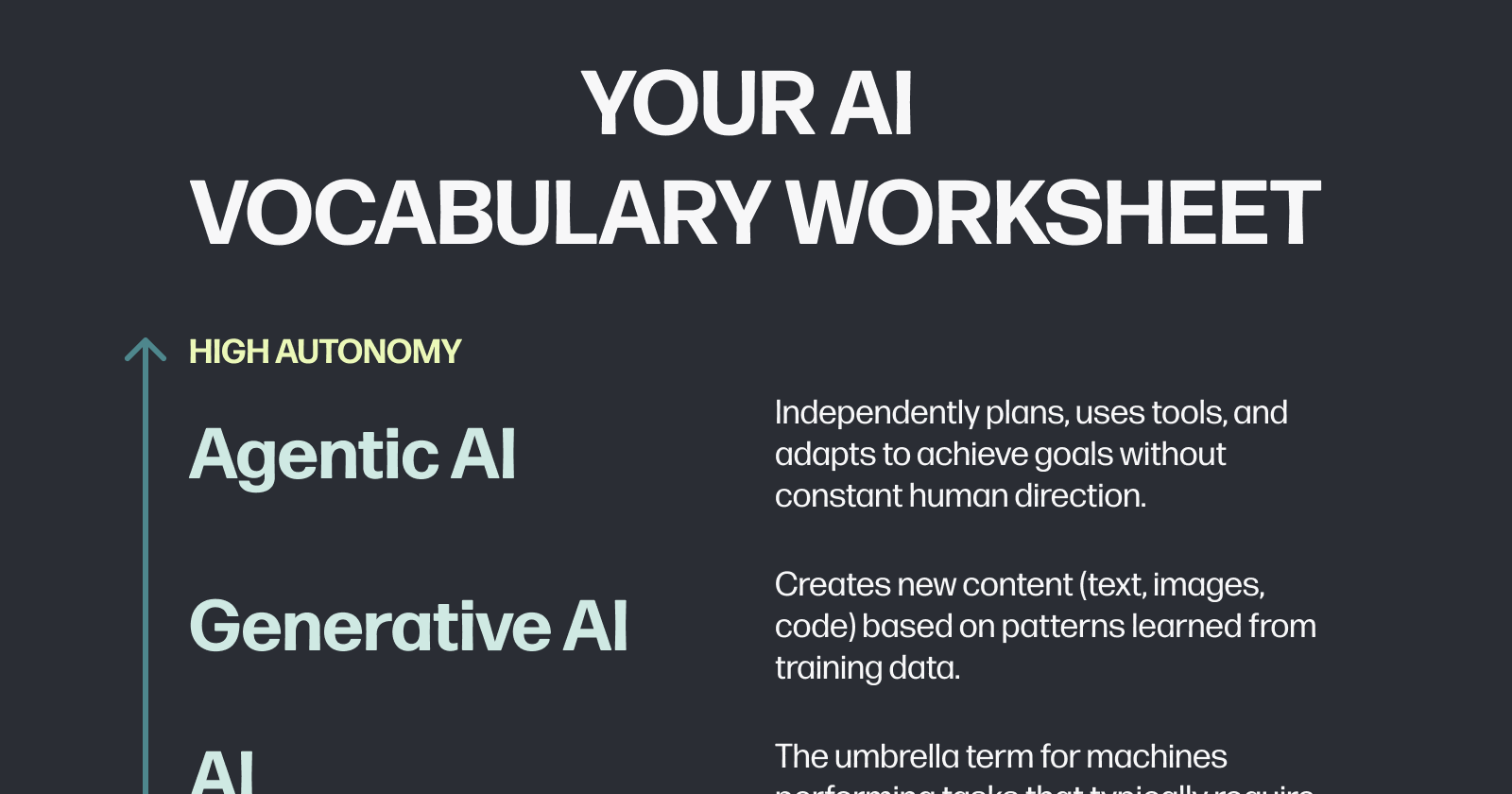
Throughout the year I experimented with graphics and visual frameworks — a hybrid GTM model for GovTech, an AI resource guide, a visual on avoiding mental overload from AI use. Some landed. Most didn't outperform plain text. The data was consistent: a good hook on a plain text post beat a polished graphic with a weak opening line, every time. The words always mattered more than the design.
I also noticed that personal milestones with real stakes drew real responses. The post announcing my move to Just Appraised drew 26 comments. The Gusto payroll launch announcement got 17 reactions from people who'd watched me build that product. These weren't viral moments — they were proof that people were actually paying attention, not just scrolling past.
Don't write for LinkedIn. Write for the specific person who would actually care about what you're saying. The algorithm is a byproduct. The audience is the point.
The uncomfortable post — the one where you're honest about something you're still working through — will almost always outperform the polished one. Not because vulnerability is a growth hack. Because people recognize when something is real and they respond to it differently than they respond to content.
I didn't build this to build an audience. I built it because writing publicly forces me to sharpen my thinking. The audience is what happens when you do that consistently and stop performing certainty you haven't earned.