/HR Software
HR for Health
2025 – Present

/HR Software
2025 – Present
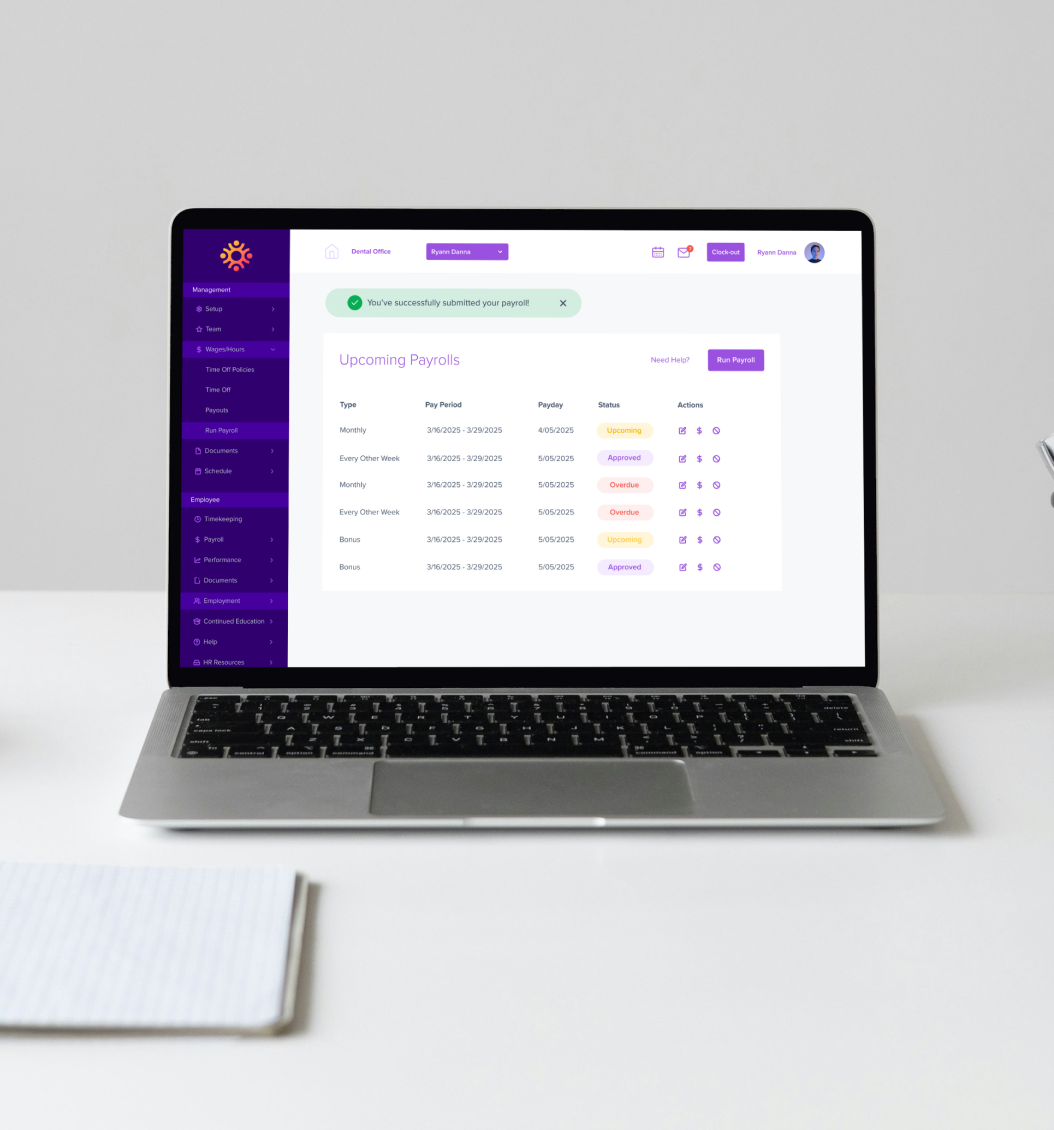
HR for Health builds compliance and HR software for healthcare and dental practices. I joined as a Marketing Coordinator in March 2023 — my first role in marketing — when the infrastructure was lean and the brand voice was still taking shape. Over the next two years I grew into a Product Marketing Manager role and helped build the content engine, brand positioning, and digital presence the team still runs on today.
I worked closely with an SVP of Marketing, a partner marketing manager, a contracted designer, and a small team of writers and coordinators. I owned the connective tissue: the content calendar, the voice and tone, the systems, and the execution that kept everything moving across channels.
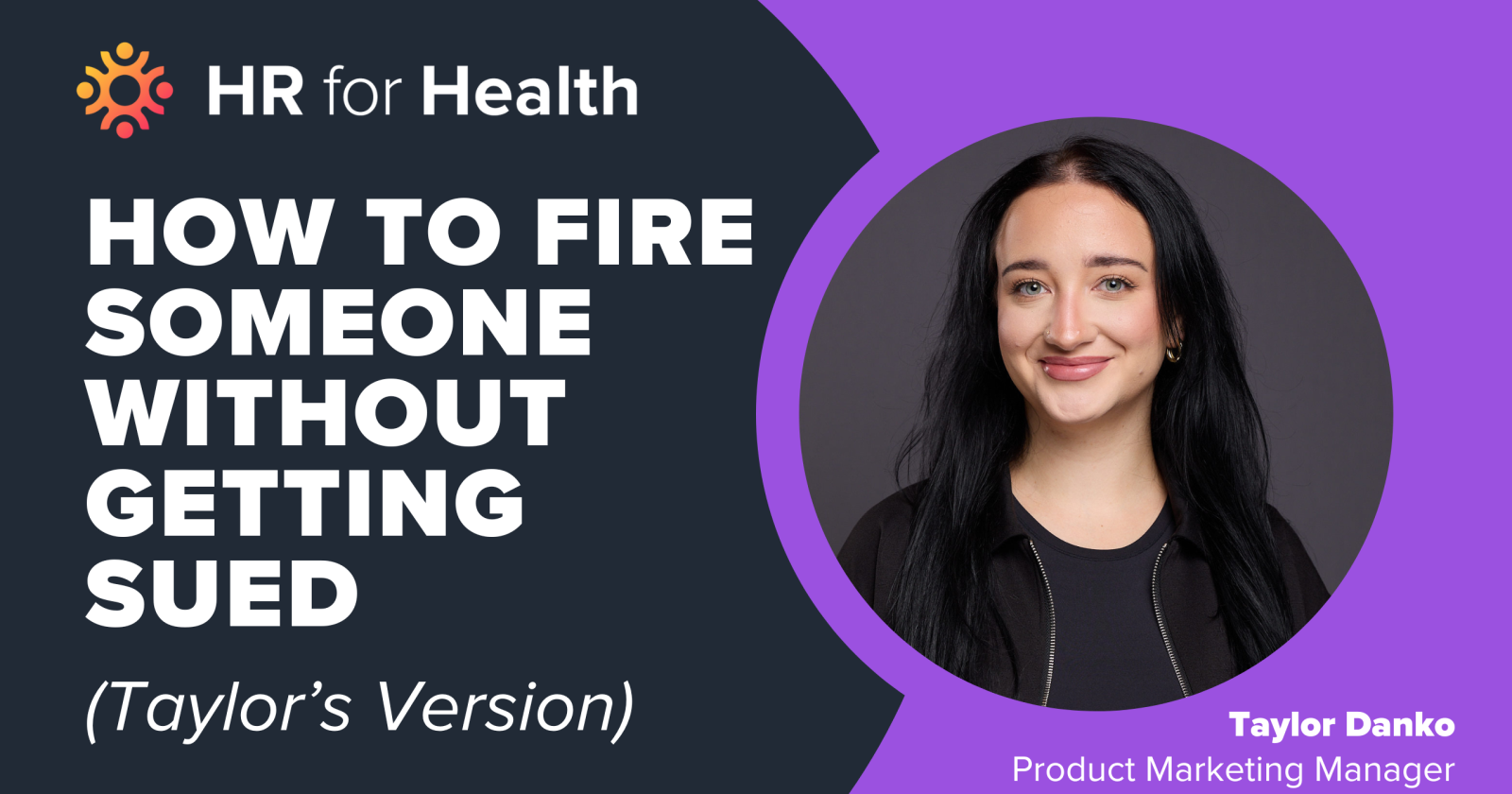
I helped define and reinforce voice and tone — warmer and more direct than the average HR software company. That shaped everything downstream: blog, email, webinar titles, social. Webinar titles like "How to Fire Someone Without Getting Sued" weren't accidents. They were deliberate decisions to meet the audience in language they actually used.
I owned the full content calendar across six channels simultaneously: email, social, blog, webinars, content downloads, and events. The backbone was a bi-weekly email digest — "The HRRx" — delivered in three tailored editions for healthcare, dental, and veterinary/med spa audiences. Click-through rates grew from 3% to 7% over the life of the program.
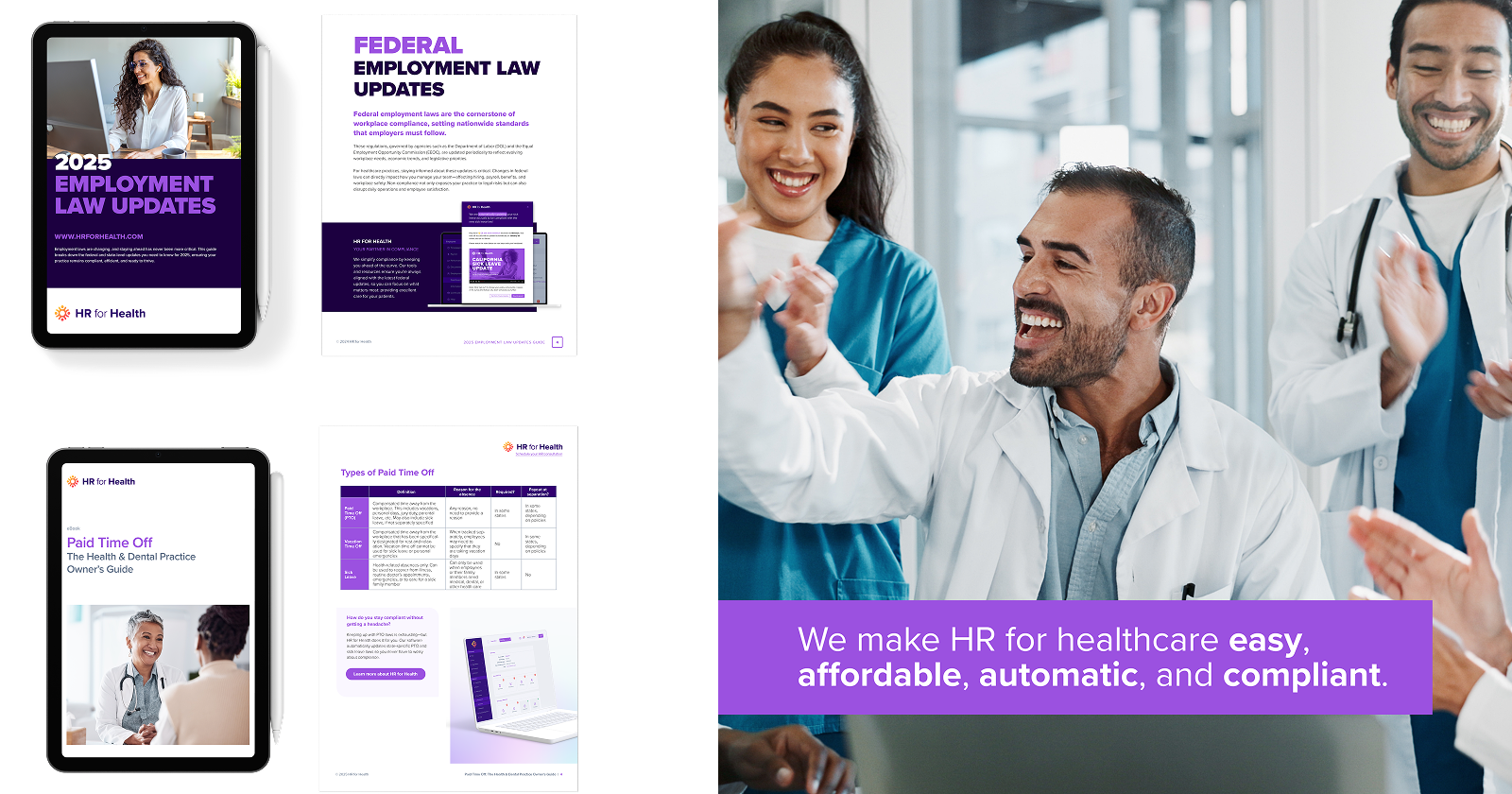
The highest-leverage campaigns were the employment law update cycles, run twice a year. The model: build a live webinar around the season's biggest compliance anxiety, then cascade the content outward — eBook, one-pager, blog posts, social — over several weeks. Those webinars drew 200+ registrants consistently and were our top lead-generating events each year.
On the technical side: I led the full website migration from HubSpot to WordPress, implementing Figma designs in Elementor myself. I moved previously gated webinar recordings to YouTube, converting them into SEO-indexed assets. I built a library of interactive product demos in Walnut for the sales team. I ran blog SEO — publishing two to three posts a week, including same-day newsjacking when HR news broke.
Toward the end of my time there, I onboarded and coached a new marketing coordinator, transitioning social media ownership while I moved toward demand gen and broader strategy work.
We treated content as a system, not a series of one-offs. One big idea, one live moment, then a deliberate cascade of smaller assets that extended the campaign's shelf life. The YouTube and SEO initiatives came from the same instinct: if we're creating it, make sure it keeps working after the live moment is over. Ungating the webinars wasn't just a distribution decision — it signaled that HR for Health had expertise worth sharing freely, which built trust before anyone filled out a form.