
Spicewire.ai
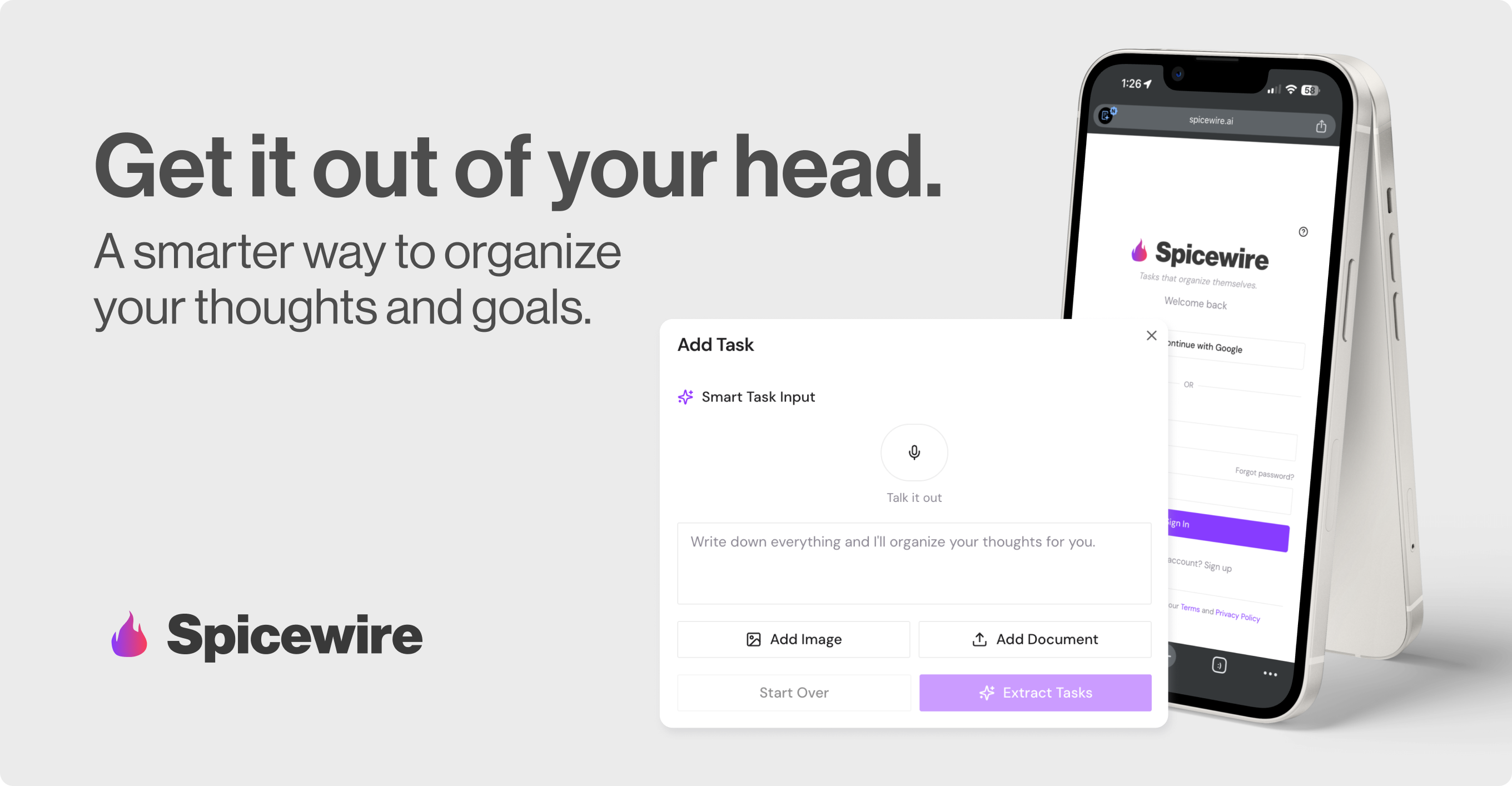
SpiceWire.ai started with a frustration I couldn't shake: I love productivity apps, and I've tried most of them, but almost every one eventually collapses under its own complexity. Too many views. Too many integrations. Too many ways to organize the thing you're supposed to just do.
So I decided to build my own — not because I had a clear roadmap, but because I wanted to understand the problem from the inside. Using Lovable, an AI-powered app builder, I vibe-coded my way through a functional prototype: a values-first task manager where everything you work on connects back to what you said matters to you this year.
It's not finished. It's not where I want it to be. But it taught me more about product thinking, user experience, and the gap between a good idea and a usable product than any course or teardown ever could. And it's still going.
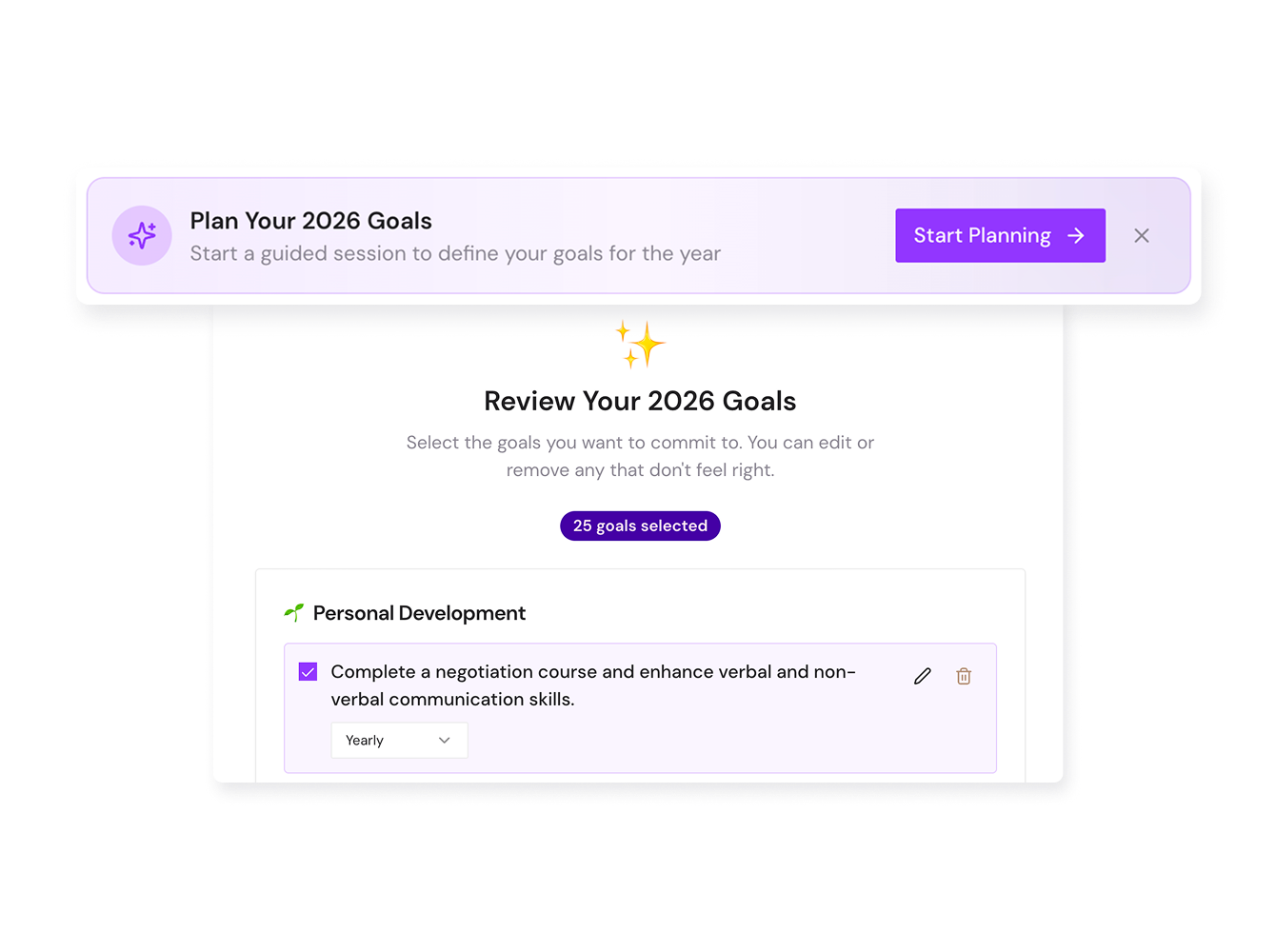
The core concept behind SpiceWire is simple: before you create a single task, you set your values for the year. Not goals — values. The things that are supposed to be guiding your decisions. Then, when you build out your 2026 goals, you tie each one to a value. And when you create tasks, you tag them to a goal — so at any given moment, you can see not just what you're doing, but why it matters.
It sounds obvious. It isn't how most productivity apps work.
From there, I built out the actual product layer by layer in Lovable:
Google sign-on — authentication that actually works, which was more satisfying to ship than I expected.
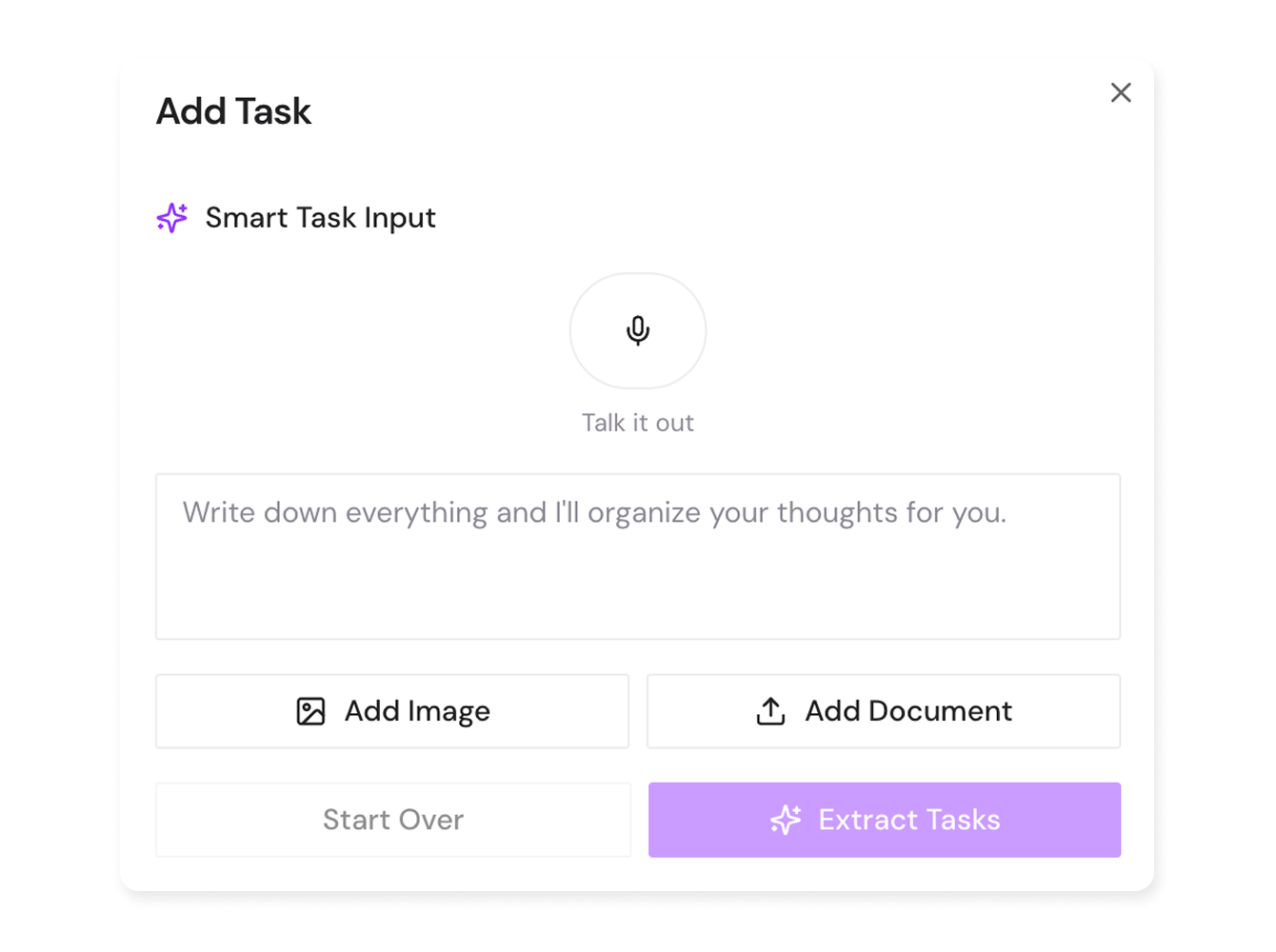
AI-assisted task cleanup — a feature that takes messy, half-formed task descriptions and helps you clarify them. The kind of thing that sounds small but changes how the tool feels to use.
Voice input — this is where I got stuck. The feature worked inconsistently, kept running into bugs, and I couldn't get it to a place I felt good about. So I paused it rather than ship something broken.
That pause turned into a longer pause. Not because I lost interest — but because I realized I didn't have a clear enough picture of what SpiceWire should be before I kept building features onto it.
Stopping was the right call. One of the hardest product instincts to develop is knowing when you're building in the wrong direction, and I caught it early enough to course-correct rather than double down.
What I realized is that I don't yet have a complete enough view of what's already been tried in this space — what's worked, what's failed, and what gap actually exists that SpiceWire could fill. That's exactly why I started the teardown series. Each teardown is research. Trello, Asana, and whatever comes next aren't just portfolio content — they're me trying to understand the competitive landscape before I commit to a product direction.
The vibe coding experience itself was worth it regardless of where SpiceWire ends up. Building in Lovable taught me how to think in product terms, how to scope features, how to recognize when a bug is a me-problem versus a tool-problem, and how much faster AI-assisted development has made it to go from idea to testable prototype. These aren't abstract concepts to me anymore.
SpiceWire is on pause, not abandoned. When the teardown series gives me a clearer picture of what's missing in this space, I'll know what to build next. Until then, I'm doing the research.


Want to connect?
